Blog

  • How To Remove Wrinkles From Leather Jackets?

    How To Remove Wrinkles From Leather Jackets?

    [vc_row][vc_column][woodmart_text_block woodmart_css_id=”68ab69134e7f7″ parallax_scroll=”no” woodmart_inline=”no” wd_hide_on_desktop=”no” wd_hide_on_tablet_landscape=”no” wd_hide_on_tablet=”no” wd_hide_on_mobile=”no” responsive_spacing=”eyJwYXJhbV90eXBlIjoid29vZG1hcnRfcmVzcG9uc2l2ZV9zcGFjaW5nIiwic2VsZWN0b3JfaWQiOiI2OGFiNjkxMzRlN2Y3Iiwic2hvcnRjb2RlIjoid29vZG1hcnRfdGV4dF9ibG9jayIsImRhdGEiOnsidGFibGV0Ijp7fSwibW9iaWxlIjp7fX19″]

    How To Remove Wrinkles From Leather Jackets?

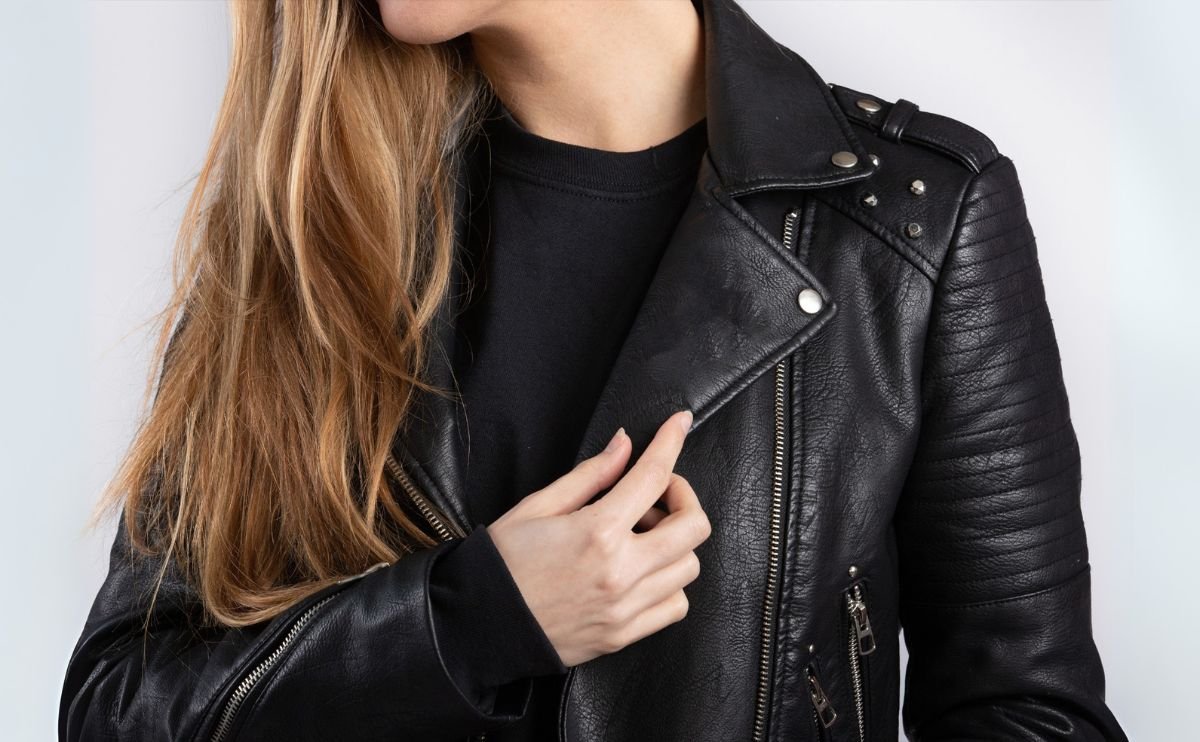
    Leather jackets are a timeless wardrobe staple, like all clothing, they also require some care and maintenance to keep them looking their best, but they can be tricky to care for. One common problem is that leather jackets tend to develop wrinkles over time, especially if they’re stored in a cramped closet. Here are some tips on how to remove wrinkles from leather jackets so you can keep wearing them for years to come.

    • Remove wrinkles from leather jackets by hanging them
    • Use a steam iron on leather jackets
    • Use a hairdryer on leather jackets
    • Put leather jackets in the dryer

    Remove wrinkles from leather jackets by hanging them

    Hang your leather jacket in a closet or on a clothes hanger. If you don’t have space to hang it, lay the jacket flat on a clean surface. The weight of the jacket will gravity will pull out the wrinkles. For best results, hang the jacket in a well-ventilated room and allow it to air out for a day or two before wearing it. This will help loosen and remove any wrinkles in the fabric. Also, check out this Women’s Leather Jacket Collection

    Use a steam iron on leather jackets

    If you need to remove wrinkles from your leather jacket quickly, try using a steam iron. Be sure to set the iron to the lowest heat setting possible so you don’t damage the jacket. Place a clean towel over the jacket before you iron it, and hold the iron about six inches away from the surface of the fabric. Slowly move the iron back and forth over the towel until the wrinkles begin to disappear.

    Use a hairdryer on leather jackets

    If you don’t have an iron, you can also use a hairdryer to remove wrinkles from your leather jacket. Set the hair dryer to the lowest heat setting and hold it about six inches away from the jacket. Slowly move the hairdryer back and forth over the surface of the fabric until the wrinkles start to disappear.

    Put leather jackets in the dryer

    You can also remove wrinkles from your leather jacket by putting it in the dryer on a low heat setting. Put the jacket in a pillowcase or laundry bag to protect it from getting damaged. Check on the jacket periodically to make sure it’s not getting too hot. Once the wrinkles are gone, take the jacket out of the dryer and hang it up to cool. For best results, hang your leather jacket on a coat hanger and allow it to air dry naturally.

    Tips for preventing wrinkles on leather jackets

    Following are tips for preventing wrinkled leather or significantly slowing down the wrinkling process:

    • Use good quality hangers
    • Keep using leather conditioner
    • Always use a garment bag while traveling

    Use good quality hangers

    One way to prevent wrinkles is to use wide-shoulder wooden hangers. These hangers provide ample support for the jacket, distribute weight evenly, and prevent the jacket from slipping off. As a result, they help to keep the jacket looking smooth and wrinkle-free. So if you want to keep your leather jacket looking its best, invest in some wide shoulder wooden hangers. Your jacket will thank you for it.

    Keep using leather conditioner

    Leather conditioner helps to prevent wrinkles by lubricating the fibers and keeping them supple. It should be applied every few weeks, or as needed, to maintain the jacket’s appearance. In addition to using leather conditioners, it is also important to store the jacket in a cool, dry place. Excessive heat and humidity can cause the leather to dry out and become brittle, making it more susceptible to wrinkles.

    Use a garment bag while traveling

    Traveling can be tough on your clothes, especially if you’re trying to pack light. Leather jackets are particularly vulnerable to wrinkles, which is why it’s important to use a garment bag when you’re packing them for a trip. A garment bag helps to protect your jacket from being squished in a suitcase, and it also prevents the fabric from coming into contact with other items that could cause it to wrinkle.

    Conclusion

    Leather jackets are often wrinkled because they’re made of a natural material that’s not as pliable as other fabrics. When the jacket is new, it’s more flexible and doesn’t wrinkle as easily. Over time, the leather will become less flexible and more prone to wrinkles. If you get wrinkles in your leather jacket, don’t despair. The same methods can also be applied to other outerwear like leather duster and trench coats Use these tips to keep your leather jacket looking its best for years to come. With a little care and effort, you can maintain its shape and remove any wrinkles that appear.[/woodmart_text_block][/vc_column][/vc_row]

  • How to Remove Bad Smell from a Leather Jacket?

    How to Remove Bad Smell from a Leather Jacket?

    [vc_row][vc_column][woodmart_text_block woodmart_css_id=”68ab679f66777″ parallax_scroll=”no” woodmart_inline=”no” wd_hide_on_desktop=”no” wd_hide_on_tablet_landscape=”no” wd_hide_on_tablet=”no” wd_hide_on_mobile=”no” responsive_spacing=”eyJwYXJhbV90eXBlIjoid29vZG1hcnRfcmVzcG9uc2l2ZV9zcGFjaW5nIiwic2VsZWN0b3JfaWQiOiI2OGFiNjc5ZjY2Nzc3Iiwic2hvcnRjb2RlIjoid29vZG1hcnRfdGV4dF9ibG9jayIsImRhdGEiOnsidGFibGV0Ijp7fSwibW9iaWxlIjp7fX19″]

    How to Remove Bad Smell from a Leather Jacket?

    A leather jacket can easily add a touch of elegance and edge to a wardrobe. But what happens when the typical fresh leather aroma starts to fade, replacing it with an odor you don’t appreciate? Some might not even like the smell of a newly bought leather jacket as it can be pungent and strong for their liking. Whatever the case might be we are here with some easy tips on how to remove bad smell from leather jackets so that can still adore this timeless outerwear. This guide will help you effectively remove the smell from your favorite outerwear and bring back its natural and fresh scent.

    Why Does Your Leather Jacket Smell?

    Before jumping in on the road of removing the odor, let’s quickly discuss why they even start to smell in the first place. Leather is a natural material that is porous and has the ability to absorb a variety of different odors. From sweat and body oils to environmental smells, like, smoke and perfume, your precious leather jacket can absorb all these odors. If you don’t maintain and care for your leather jacket then it will evidently start to have a smell.

    5 Easy Steps to Freshen Up Your Jacket

    1. Air It Out

    Let’s start simple. One of the simplest things you can do to remove a bad smell from your leather jacket is to air it out. Let your jacket hang in the fresh air to let it breathe and deodorize it from unlikable scents. Make sure to avoid placing it in direct sunlight as it can dry and fade the leather. Look for an open, shady, and place with no direct sunlight. The amount of time to air out a leather jacket depends on the intensity of the scent. As a general rule of thumb, try leaving your jacket for 24-48 hours and rotating the jacket after some intervals to ensure all parts get exposed to fresh air to have the best possible results.

    1. Use a Leather Cleaner

    There’s no denying that leather-specific cleaners can do wonders. These cleaners are not only gentle on the leather jacket but also designed to provide a deep clean without damaging the leather. Not only that but it can be a good option to remove smell from your timeless apparel. Make sure to do a patch test for the cleaning solution before applying any product to ensure it doesn’t discolor or damage the leather.

    1. Baking Soda – Your Deodorizing Agent

    Baking soda is a natural deodorizer and is a natural and safe way to eliminate any bad smell from your outerwear. However, try to avoid any direct contact with the jacket as it might discolor the leather jacket. Place your jacket in a large zip lock bag with an open box or a cup of baking soda. Seal the bag and let it sit overnight. The next day, remove your jacket and give it a good shake to get rid of any powder residue. You might also consider using activated charcoal in the same way, as it’s another excellent odor absorber.

    1. Try White Vinegar Solution

    Let’s say you are on a budget and don’t want to purchase one of those leather cleaners. Don’t worry as we have just the right solution for you – white vinegar solution. White vinegar can be a great agent to remove bad smells from your jacket. Here’s a simple DIY method to create a gentle white vinegar cleaner.

    Materials Needed

    • 1 part white vinegar
    • 2 parts water
    • A spray bottle
    • A soft cloth

    Steps for Removing Smell

    1. Mix the Solution: Combine one part of white vinegar with two parts of water in a bowl or into your spray bottle. The vinegar will help clean the leather, while the water dilutes the solution to prevent damage. 2. Do a Patch Test: Always do a patch test before applying the solution to the complete jacket. Try it on a small, hidden area of the jacket first to make sure it doesn’t discolor or damage the leather. Wait for it to dry and make sure it it’s safe to use. 3. Application: Now, spray the solution onto a clean soft cloth. You should try to dampen the cloth and not completely soak the cloth. Never spray directly onto the jacket as it could cause water spots or discoloration. 4. Clean Your Jacket: Gently wipe down your leather jacket with your damp cloth, this will not only remove any smell but will also clean your jacket from any dirt residues. 5. Dry the Jacket: Remember, vinegar has its own unique odor which is why you need to dry your jacket. Use a dry soft cloth to gently dab the jacket, soaking up any excess moisture. Avoid rubbing, as it may push the water deeper into the leather. If it’s taking a bit longer for the vinegar’s smell to dissipate then you can air out the jacket in a ventilated place. 6. Condition the Leather: After cleaning and drying, apply a good quality leather conditioner to the jacket. This will restore any lost moisture and keep the outerwear fresh.
    2. Professional Cleaning

    If it seems nothing is working or the scent is too strong to remove then consider taking your jacket to professional leather cleaners. They have all the right tools and professional knowledge to properly clean and deodorize your leather jacket without causing any damage. It is crucial to look for cleaners specializing in leather care, check reviews, and ask about their cleaning and deodorizing methods to better suit your needs to remove smell from your jacket.

    Care Tips to Prevent Odors

    You might have heard this before that prevention is the best of the treatments. The same goes for your outerwear as you can keep your jacket clean and wash it when needed to prevent it from getting bad odor buildup. Here are a few tips to care for your fashion piece.

    • Always hang your jacket in a well-ventilated area after wearing it.
    • Use a good leather conditioner to prevent the jacket from drying out and to maintain its freshness.
    • Try to keep the jacket away from strong and pungent orders as leather can easily absorb them.

    Conclusion

    A leather jacket is a style statement and is the must-have clothing article for every fashion-forward person. But it is no fun if it has a smell that no one likes. Banishing unpleasant odors from your leather jacket is a breeze with these 5 effective tips. By following these steps efficiently you will be able to enjoy wearing these timeless clothing pieces for many years to come. Remember, proper care and cleaning go a long way to keeping your leather jacket fresh and smell-free.[/woodmart_text_block][/vc_column][/vc_row]

  • The Secrets Of Real Leather VS Fake Leather

    The Secrets Of Real Leather VS Fake Leather

    [vc_row][vc_column][woodmart_text_block woodmart_css_id=”68ab64d52d7a3″ woodmart_inline=”no” responsive_spacing=”eyJwYXJhbV90eXBlIjoid29vZG1hcnRfcmVzcG9uc2l2ZV9zcGFjaW5nIiwic2VsZWN0b3JfaWQiOiI2OGFiNjRkNTJkN2EzIiwic2hvcnRjb2RlIjoid29vZG1hcnRfdGV4dF9ibG9jayIsImRhdGEiOnsidGFibGV0Ijp7fSwibW9iaWxlIjp7fX19″ parallax_scroll=”no” wd_hide_on_desktop=”no” wd_hide_on_tablet=”no” wd_hide_on_mobile=”no”]

    How to identify real leather

    The allure of leather is derived from its sophisticated appearance and unmatched durability compared to imitations. When purchasing leather, many seek out tags that bear the label “genuine leather.” However, it’s important to understand that genuine leather is just one of several grades of real leather. In fact, it stands as the second lowest grade. Other grades include:

    1. Full Grain Leather
    2. Top Grain Leather
    3. Genuine Leather
    4. Bonded Leather

    Differentiating between authentic leather and faux alternatives in the market can be challenging. The underground market for leather is burgeoning, making it increasingly difficult for consumers to discern genuine leather from faux counterparts. To ensure you’re acquiring authentic leather, follow these 7 essential steps for accurate identification.

    1. Take a look at the product description

    Before you become captivated by a product, it’s essential to examine the item description closely. To distinguish between genuine and fake leather, pay meticulous attention while reading. Phrases like “cowhide leather,” “sheep leather,” “full-grain leather,” and “top-grain leather” unequivocally indicate authenticity.

    The product description conveys valuable insights. Take care to inspect trademarks and other finer details. Exercise caution and avoid purchasing items labeled as “faux leather” or “genuine leather.” These terms typically signify products that aren’t genuinely crafted from real leather.

    1. Check on the labeling

    Authentic leather is primarily derived from natural animal hides, which can exhibit occasional blemishes and imperfections. Genuine leather should not feature labels like “man-made materials” or the term “genuine leather,” as this often indicates a faux product. Labels such as “cowhide leather” or “sheep leather” are indicative of genuine leather.

    1. Have a feel of the texture

    Authentic leather typically possesses a rough or coarse texture. Anything that feels excessively smooth or plasticky is a telltale sign of imitation. Leather, like humans, ages naturally, often developing wrinkles and imperfections. Genuine leather products retain this authentic feel, reflecting the aging process. In contrast, fake leather exhibits an overly uniform texture that lacks variation, unequivocally revealing its artificial nature. To add to the identification process, genuine leather emits a distinctive scent reminiscent of real skin, while fake alternatives often carry a plastic-like odor.

    1. Real leather wrinkles when pressed

    Genuine leather jackets exhibit a distinctive characteristic when pressed – akin to the elasticity of stretched skin. This unique trait sets them apart from any fraudulent materials masquerading as real leather. Moreover, genuine leather possesses inherent qualities reminiscent of naturally occurring rocks and minerals found on Earth’s surface. Just as experts can discern different types of rocks through visual inspection and texture, they can similarly distinguish genuine leather by its distinct characteristics. Experienced individuals even have the ability to gauge the leather’s quality through its scent alone, enabling them to reliably differentiate between authentic and counterfeit leather. It’s important to note that the various descriptions touting the quality of leather on a product shouldn’t be taken as guarantees of genuine leather’s attributes.

    1. Make a few drops of water

    Authentic leather has the remarkable ability to absorb water. Don’t be hasty in discarding your leather items, as real leather can indeed soak up water. If you’re a bit hesitant to try this out, you can opt for the saliva test. Applying a small amount of saliva on the leather will provide a quick indicator – if it’s absorbed, you can breathe a sigh of relief knowing it’s genuine leather. However, if the liquid remains on the surface without being absorbed, it’s a sign that you might need to consider some shopping for the real deal.

    1. Have a look at the price tag

    The cost of leather can differ from store to store worldwide, but it’s a general understanding that genuine leather’s price starts at $200. The prices of real leather items are typically set and tend to be on the higher side due to the substantial production expenses involved. If you come across a price that seems surprisingly low, it’s advisable to exercise caution and consider the authenticity of the product.

    1. Real leather jacket doesn’t crack easily

    As you might have gathered from our previous point, real leather shares similarities with human skin, meaning it doesn’t crack easily. Just like the properties of animal skin persist in real leather, the durability of genuine leather ensures that it doesn’t develop cracks over time. So, rest assured that your leather jacket will continue to maintain its quality and appearance, much like your growing expertise in discerning genuine leather.

    1. Burn it up

    It might come as a surprise, but it’s worth considering even if you wouldn’t intentionally set fire to your beloved leather jacket. If, however, it quickly ignites and emits a plastic-like smell, you’re likely dealing with a fake leather jacket. Real leather resists burning and takes time to catch fire. If you persist with a lighter, genuine leather will burn without a flame, releasing a scent reminiscent of cowhide or animal skin.

    To enhance your ability to differentiate between fake and genuine leather, dedicate time to comparing known fake leathers with authentic ones. With practice, you’ll become skilled at discerning real leather from imitations, ensuring that your purchases are of true value.

    By now, you might consider yourself a leather aficionado, well-versed in the nuances of leather quality. At Movie Jackets Hub, we proudly craft products from real leather, particularly Full Grain Leather, ensuring durability and authenticity. But don’t just take our word for it! Order one of our products and follow our user’s guide to experience the authenticity firsthand. We guarantee your complete satisfaction. Act swiftly to secure your choice from our limited stock.

    Explore our range of Men’s and Women’s leather jackets at Movie Jackets Hub – where only genuine Full Grain Leather is used for all our leather jackets.[/woodmart_text_block][/vc_column][/vc_row]

  • All You Need to Know About Suede Jackets

    All You Need to Know About Suede Jackets

    [vc_row][vc_column][woodmart_text_block woodmart_css_id=”68ab630e2b8a9″ woodmart_inline=”no” responsive_spacing=”eyJwYXJhbV90eXBlIjoid29vZG1hcnRfcmVzcG9uc2l2ZV9zcGFjaW5nIiwic2VsZWN0b3JfaWQiOiI2OGFiNjMwZTJiOGE5Iiwic2hvcnRjb2RlIjoid29vZG1hcnRfdGV4dF9ibG9jayIsImRhdGEiOnsidGFibGV0Ijp7fSwibW9iaWxlIjp7fX19″ parallax_scroll=”no” wd_hide_on_desktop=”no” wd_hide_on_tablet=”no” wd_hide_on_mobile=”no”]

    All You Need to Know About Suede Jackets

    Indeed, the history of suede is intriguing. Its evolution from utilizing imperfect hides to create soft gloves in Sweden to the creation of buckskin jackets by North American Indians showcases the ingenuity of different cultures. The appeal of suede’s softness and versatility in haute couture and its association with both luxury and counterculture movements have contributed to its unique status in the fashion world. Over time, suede jackets have become a symbol of style, comfort, and individuality.

    What is Suede?

    You’re correct. Suede is derived from the inner surface of a tanned animal hide. Depending on how the leather is processed, it can result in different types of suede. If the leather is split and the upper grain is removed, creating suede that is napped on both sides, it becomes a softer and lighter material. The choice of animal hide used for suede production, such as sheep, calf or deer, can influence the texture and quality of the suede. Thicker hides like cowhide may result in a rougher nap.

    What is a Faux-suede Jacket?

    You’re absolutely right. Faux-suede jackets, also known as synthetic or vegan suede jackets, are typically made from polyester microfibers. While they offer some benefits like lower cost and better water and stain resistance compared to genuine suede, it’s important to note that polyester microfibers are environmentally harmful. They are non-biodegradable and can contribute to pollution in various ways. Despite being an alternative to animal products, faux suede made from polyester microfibers is not considered eco-friendly.

    Suede Jacket vs Leather Jacket

    Absolutely, suede jackets are known for their luxurious texture, softness, and lightness. However, they are generally less durable compared to traditional leather jackets. Suede is more permeable and can absorb stains and moisture more easily, which makes it less waterproof and more susceptible to damage. As a result, suede jackets are often considered more delicate and suitable for occasional wear, rather than everyday use like leather jackets. Proper care and protection are important to maintain the appearance and longevity of suede jackets.

    Is a Suede Jacket Waterproof?

    Suede jackets are typically treated with a water-resistant coating to enhance their ability to repel water to some extent. However, due to the inherent porosity of suede material, it’s important to avoid wearing a suede jacket in heavy rain or wet conditions. Suede’s luxurious texture comes from its porous nature, which also makes it more susceptible to water absorption and potential damage. It’s best to take precautions to protect your suede jacket from moisture and avoid wearing it in rainy weather.

    Suede Jacket Durability

    You’re correct. While a well-cared-for suede jacket can last a long time, it requires more delicate handling compared to a durable leather jacket. Suede is more prone to staining, tearing, and damage from rough treatment due to its softer and more porous nature. With proper care and attention to avoiding potential sources of damage, a suede jacket can maintain its luxurious appearance and serve as a stylish addition to your wardrobe for years to come.[/woodmart_text_block][/vc_column][/vc_row]